
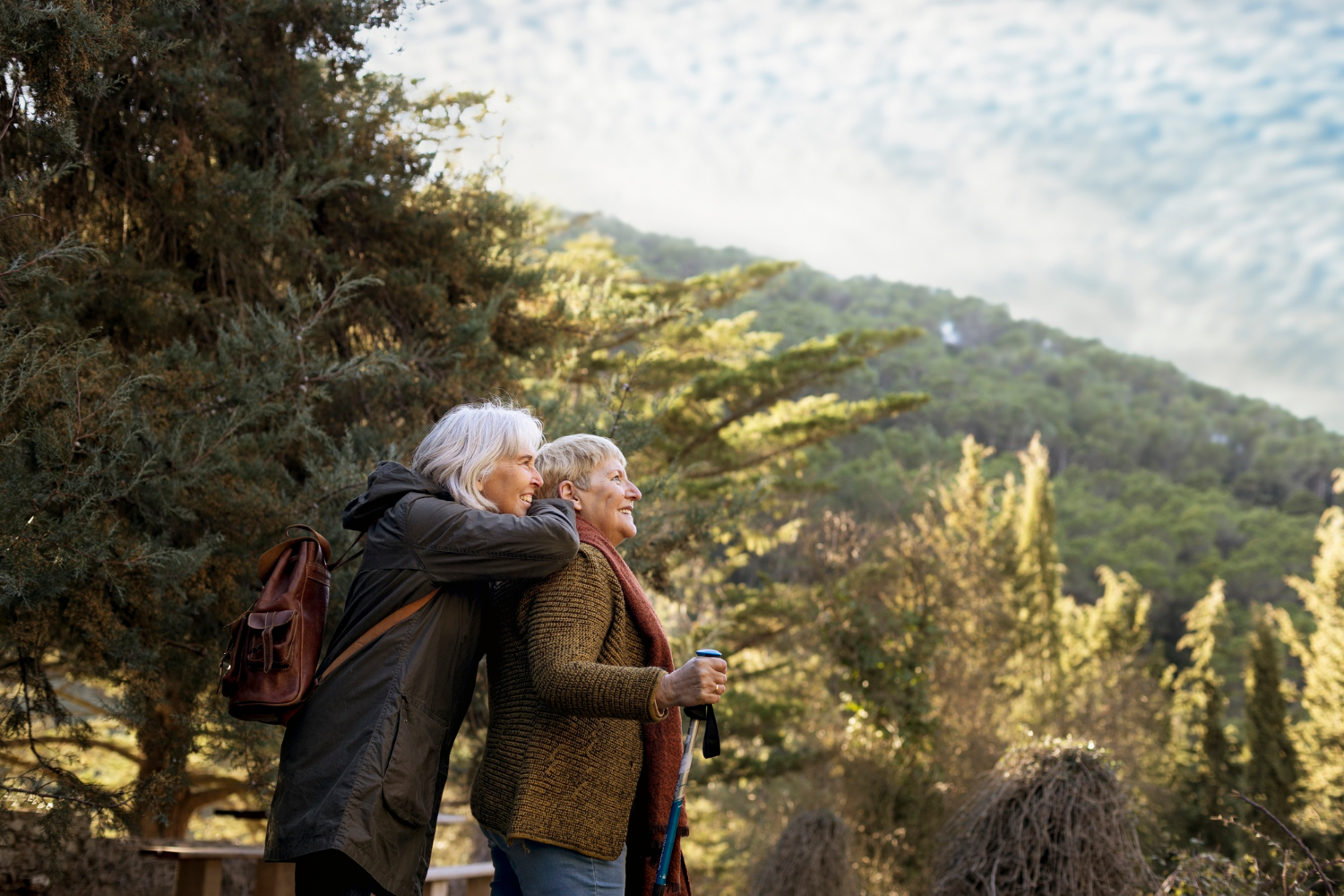
Travel can be one of the most rewarding parts of retirement, offering fresh scenery, new experiences, and a chance to enjoy life beyond the familiar routine. However, seniors may face unique challenges when exploring the outdoors, from mobility limitations to unpredictable weather. With thoughtful planning and a few practical strategies, it’s possible to have outdoor adventures that are both safe and deeply enjoyable. Whether it’s a weekend getaway or a longer journey, the right preparation can make all the difference.
Planning for Peace of Mind
When it comes to senior travel, preparation is key. Many retirees benefit from researching destinations, checking accessibility options, and planning daily activities that match their energy levels. Exploration Junkie’s comprehensive resource for organizing age-friendly adventures can be especially helpful, offering guidance on transportation, lodging, and outdoor activities that cater to seniors’ comfort and safety. Proper planning ensures that trips remain relaxing rather than stressful, allowing travelers to focus on fun rather than logistics.
Choosing Comfortable Accommodations
Where you stay can make or break an outdoor adventure. Selecting accommodations with accessible entrances, elevators, and bathroom safety features can reduce physical strain and prevent accidents. Proximity to amenities such as grocery stores, medical facilities, or local attractions is another important consideration. Comfortable lodging also provides a welcoming retreat after an active day, helping seniors recharge and enjoy each moment fully.
Dressing for Success
Appropriate clothing and gear are crucial for staying safe and comfortable outdoors. Layered outfits help manage fluctuating temperatures, while sturdy, supportive footwear prevents slips and fatigue. Sun protection, including hats and sunscreen, is also essential for avoiding burns or heat-related issues. Small adjustments, like moisture-wicking fabrics or lightweight jackets, can make a big difference in comfort and endurance.
Staying Active Without Overdoing It
Outdoor adventures don’t have to be physically exhausting to be enjoyable. Gentle hikes, walking tours, or guided nature excursions offer plenty of activity while keeping the experience manageable. Scheduling rest breaks and listening to one’s body helps prevent overexertion and ensures that energy lasts throughout the day. Seniors can often enjoy a deeper connection to nature when movement is balanced with relaxation, rather than pushing to keep up with a fast pace.
Nutrition and Hydration on the Go
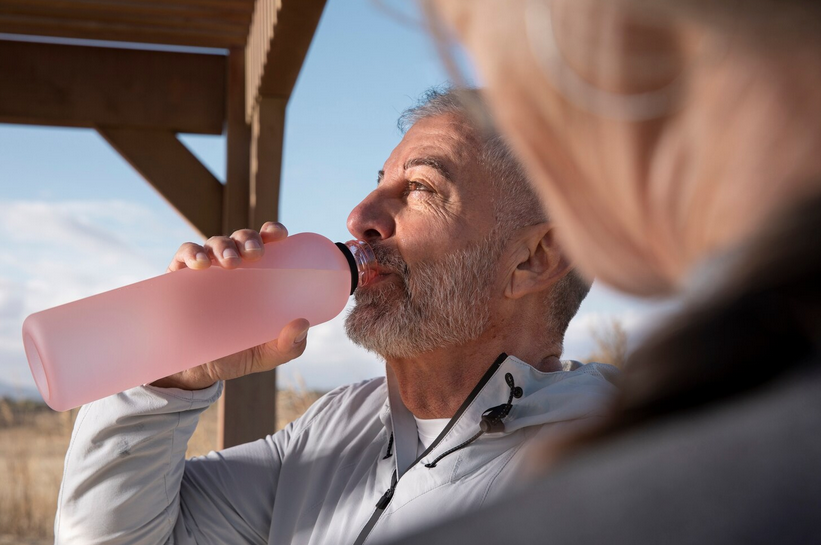
Maintaining proper nutrition and hydration is especially important during travel. Carrying water and light snacks can help prevent fatigue, dizziness, or low blood sugar during outdoor activities. Many senior travelers plan meals around accessible restaurants or picnic spots in scenic areas, which allows them to enjoy both food and surroundings. Mindful eating and regular hydration help sustain energy for sightseeing, hiking, or exploring local culture.
Safety Measures and Emergency Preparedness
Even with careful planning, unexpected situations can arise. Seniors should carry basic first aid supplies, a charged mobile phone, and any necessary medications. Sharing itineraries with friends or family and knowing local emergency contacts also adds a layer of security. Simple precautions, like avoiding isolated trails or checking weather reports before heading out, can prevent accidents and ensure that every outdoor excursion remains safe and enjoyable.
Embracing Flexibility and Mindset
Perhaps the most important tip for senior travel is cultivating a flexible mindset. Trips rarely go exactly as planned, and the ability to adapt keeps the experience positive. Embracing changes, exploring alternative routes, or taking extra breaks can transform potential frustrations into memorable adventures. With the right attitude, seniors can enjoy the outdoors confidently, comfortably, and with lasting satisfaction.
Exploring the outdoors in retirement offers endless opportunities for enjoyment, discovery, and connection with nature. By planning, choosing accessible accommodations, dressing appropriately, pacing activities, staying nourished, and prioritizing safety, seniors can create enriching travel experiences without compromise. When comfort and security are balanced with curiosity and adventure, outdoor travel becomes an energizing, rewarding part of life after retirement.