

Large cities present a range of mobility challenges for travelers, including traffic congestion, complex transport networks, and limited access to convenient travel options during peak hours. These challenges often require careful planning and the use of flexible transport solutions to ensure timely movement between destinations. Many travelers also need to coordinate luggage handling and multi-stop journeys, which can further complicate urban mobility. In this context, services such as vans in Sutton can provide practical support by offering efficient transportation options that help simplify movement within busy urban environments. This article explores how travelers manage mobility challenges in large cities and the strategies they use to maintain convenience and efficiency as they navigate urban spaces.
Using Public Transportation Efficiently
One of the most common ways travelers manage mobility in large cities is by using public transportation. Subways, buses, trams, and commuter trains often provide cost-effective and reliable ways to move across urban areas. Travelers who take time to understand routes, schedules, and fare systems are better equipped to navigate the city with confidence. Many cities also offer travel cards or mobile payment systems that simplify access to public transport. By learning to use these systems efficiently, travelers can reduce their reliance on taxis and avoid traffic-related delays.
Leveraging Digital Navigation Tools
Modern technology plays a major role in helping travelers overcome mobility challenges. Navigation apps provide real-time updates on traffic conditions, public transport schedules, and alternative routes. These tools allow travelers to plan journeys more effectively and adjust plans based on current conditions. Ride-hailing platforms also offer convenient transport options when public systems are unavailable or inconvenient. By using digital tools, travelers can make informed decisions that improve travel efficiency and reduce uncertainty in unfamiliar environments.
Choosing Strategic Accommodation Locations

Location plays a key role in managing mobility challenges. Travelers who choose accommodation near transport hubs, business districts, or major attractions often experience fewer mobility issues. Staying in well-connected areas reduces travel time and simplifies access to essential services. This strategic approach allows travelers to minimize long commutes and focus more on their activities. Many experienced travelers prioritize proximity to metro stations or bus lines when selecting accommodation in large cities.
Avoiding Peak Traffic Hours
Large cities often experience severe congestion during peak travel hours. Travelers who understand local traffic patterns can plan their movements to avoid delays. Adjusting schedules for early morning or off-peak travel times can significantly improve mobility efficiency. This approach is especially useful for business travelers who need to attend meetings or appointments on time. By avoiding rush hours, travelers reduce stress and increase the predictability of their journeys.
Combining Multiple Transport Options
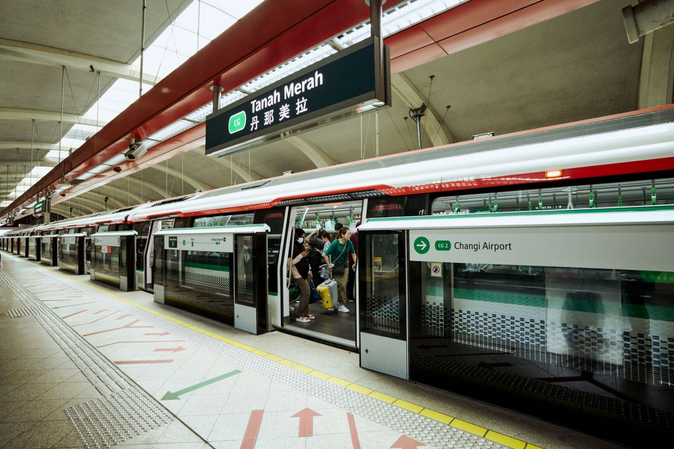
Effective mobility management often involves combining transportation methods. Travelers may use public transport for longer distances and walking or cycling for shorter trips. In some cases, ride-sharing services are used to fill gaps in public transport coverage. This flexible approach allows travelers to adapt to different situations and optimize both time and cost. Understanding when to switch between transport modes is a key skill for efficiently navigating large urban environments.
Travelers manage mobility challenges in large cities by using public transportation, leveraging digital tools, choosing strategic accommodation, avoiding peak hours, and combining different modes of transport. These strategies help reduce stress, improve efficiency, and enhance overall travel experiences. As cities continue to grow and become more complex, effective mobility planning will remain essential for travelers seeking to navigate urban environments successfully and make the most of their time.