
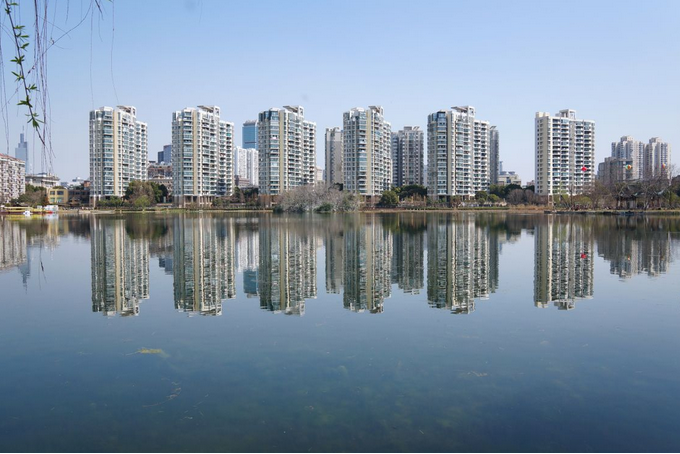
Waterfront business districts have become increasingly attractive to international travelers due to their combination of economic activity, scenic environments, and convenient access to transport, hospitality, and commercial services. These areas often blend modern office infrastructure with leisure spaces, making them appealing for both business and tourism purposes. In a similar context of relocation and urban mobility, moving to Orpington is now becoming a trend as it reflects how access, infrastructure, and residential appeal influence decisions about where people choose to settle or operate. This article explores why waterfront business districts attract international travelers and what makes them such important hubs in global cities.
Scenic Appeal and Environmental Experience
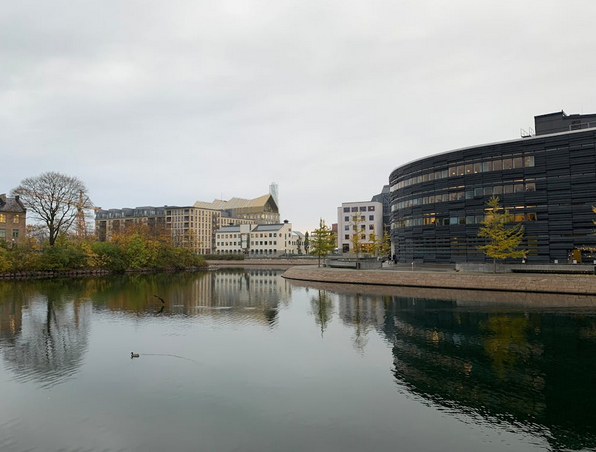
One of the strongest attractions of waterfront business districts is their visual environment. The presence of water creates a sense of openness and relaxation that contrasts with the density of urban landscapes. International travelers often prefer staying in areas that offer scenic views, natural light, and access to outdoor spaces. Waterfront locations provide this balance by combining modern architecture with natural surroundings. This blend of city life and waterfront scenery enhances the overall travel experience, making these districts more desirable for both short-term and extended stays.
Strong Business and Economic Infrastructure
Waterfront business districts are often developed as major economic hubs within cities. They typically host corporate headquarters, financial institutions, conference centers, and co-working spaces. This makes them especially attractive to international business travelers who require proximity to meetings, events, and professional networks. The concentration of economic activity in these areas reduces travel time between appointments and improves overall efficiency. For many travelers, staying in a waterfront district provides direct access to key business opportunities and professional environments.
High Quality Accommodation and Amenities
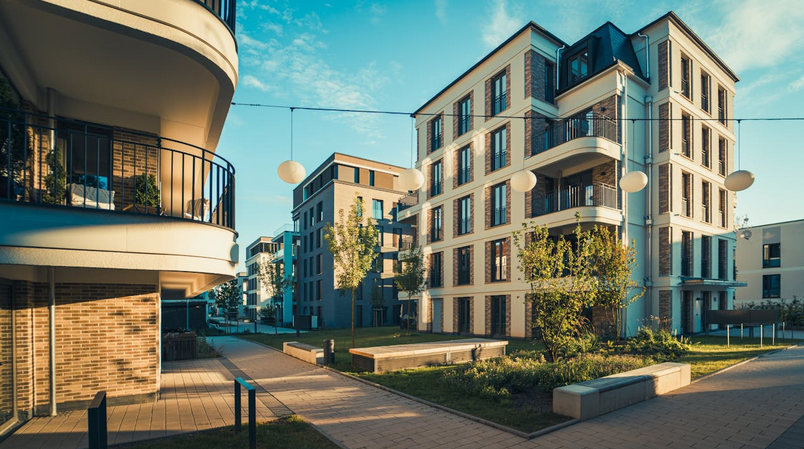
Another reason waterfront business districts attract international visitors is the availability of high-quality accommodation and services. These areas often feature luxury hotels, serviced apartments, and premium short-stay options designed to meet the needs of global travelers. In addition to accommodation, they offer restaurants, entertainment venues, fitness centers, and shopping facilities within walking distance. This level of convenience allows travelers to manage both work and leisure without extensive commuting, making their stay more comfortable and efficient.
Transportation and Global Connectivity
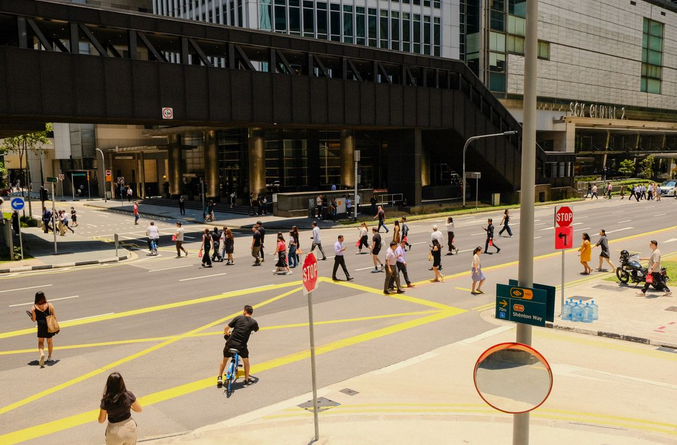
Waterfront districts are usually well connected to major transportation networks, including airports, ferry terminals, metro systems, and highways. This connectivity makes them ideal entry points for international travelers arriving from around the world. Easy access to transportation reduces travel time and simplifies movement within the city. Many waterfront areas are also designed with pedestrian-friendly infrastructure, allowing visitors to easily navigate between business, accommodation, and leisure destinations without relying heavily on long commutes.
Blending Business Travel With Leisure
International travelers increasingly seek destinations that allow them to combine work and leisure, a trend often referred to as bleisure travel. Waterfront business districts are ideal for this trend because they offer both professional environments and recreational opportunities in the same area. Travelers can attend meetings during the day and enjoy waterfront dining, cultural attractions, or evening walks by the water afterward. This balance between productivity and relaxation enhances overall travel satisfaction and encourages longer stays.
Waterfront business districts attract international travelers because they combine scenic beauty, robust economic infrastructure, high-quality services, excellent connectivity, and a balanced lifestyle. These districts offer an environment where business and leisure coexist seamlessly, making them ideal for modern global travel. As cities continue to develop and prioritize integrated urban planning, waterfront business areas will remain key destinations for both professional and recreational international visitors.